MIND YOUR LIVER. IT NEEDS YOU. ™
Most liver conditions can be prevented. Learn what puts your liver at risk, how to reduce silent damage, and the simple habits that make a long-term difference.

By the time symptoms appear, damage is often already advanced. But here’s the good news: most liver conditions can be delayed, managed, or even avoided with consistent care. Prevention isn’t about being perfect. It’s about paying attention to the everyday things that quietly shape your health over time.
From your hydration to your stress levels, your liver is affected by more than just alcohol or genetics. Building awareness now is your best chance at protecting your liver later.
This page is educational. It’s not a substitute for medical care. If you’re worried about your liver or have symptoms, talk to your provider. You deserve real answers and support.
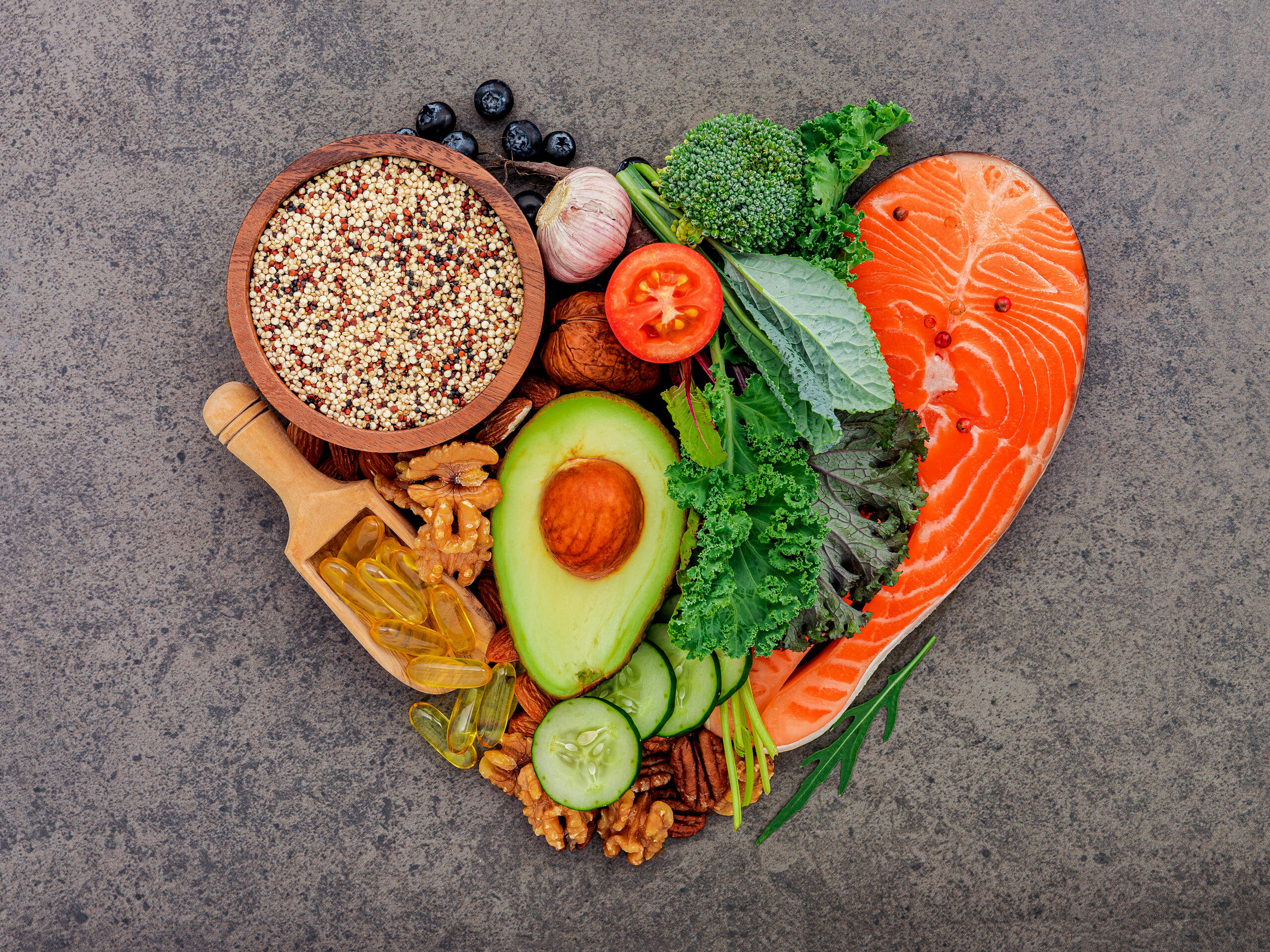
From fat breakdown to nutrient storage, it’s your liver that does the heavy lifting. Diets high in ultra-processed foods, added sugars, and unhealthy fats can lead to liver fat buildup and inflammation. Even in people who don’t drink alcohol.
Whole foods rich in fiber, antioxidants, and healthy fats
Plenty of water to aid detox and reduce stress on the liver
Cutting back on processed snacks, fried food, and added sugar
Mindful moderation with alcohol, even during celebrations

Being active helps regulate weight, manage blood sugar, and reduce fat buildup in the liver. You don’t need a fancy gym or intense routine. Consistency is what counts.
Aim for 150 minutes of moderate movement per week
Mix in walking, yoga, strength, or dancing.
Exercise helps prevent both ALD and MASLD by keeping your metabolism moving and inflammation in check

High cortisol levels and chronic anxiety may lead to coping behaviours like drinking, skipping meals, or binge eating. Over time, that takes a toll.
Getting 7–9 hours of sleep each night
Finding outlets for stress (journaling, talking it out, movement)
Addressing anxiety, depression, or trauma through therapy, peer support, or mindfulness tools
Reducing screen time, especially before bed
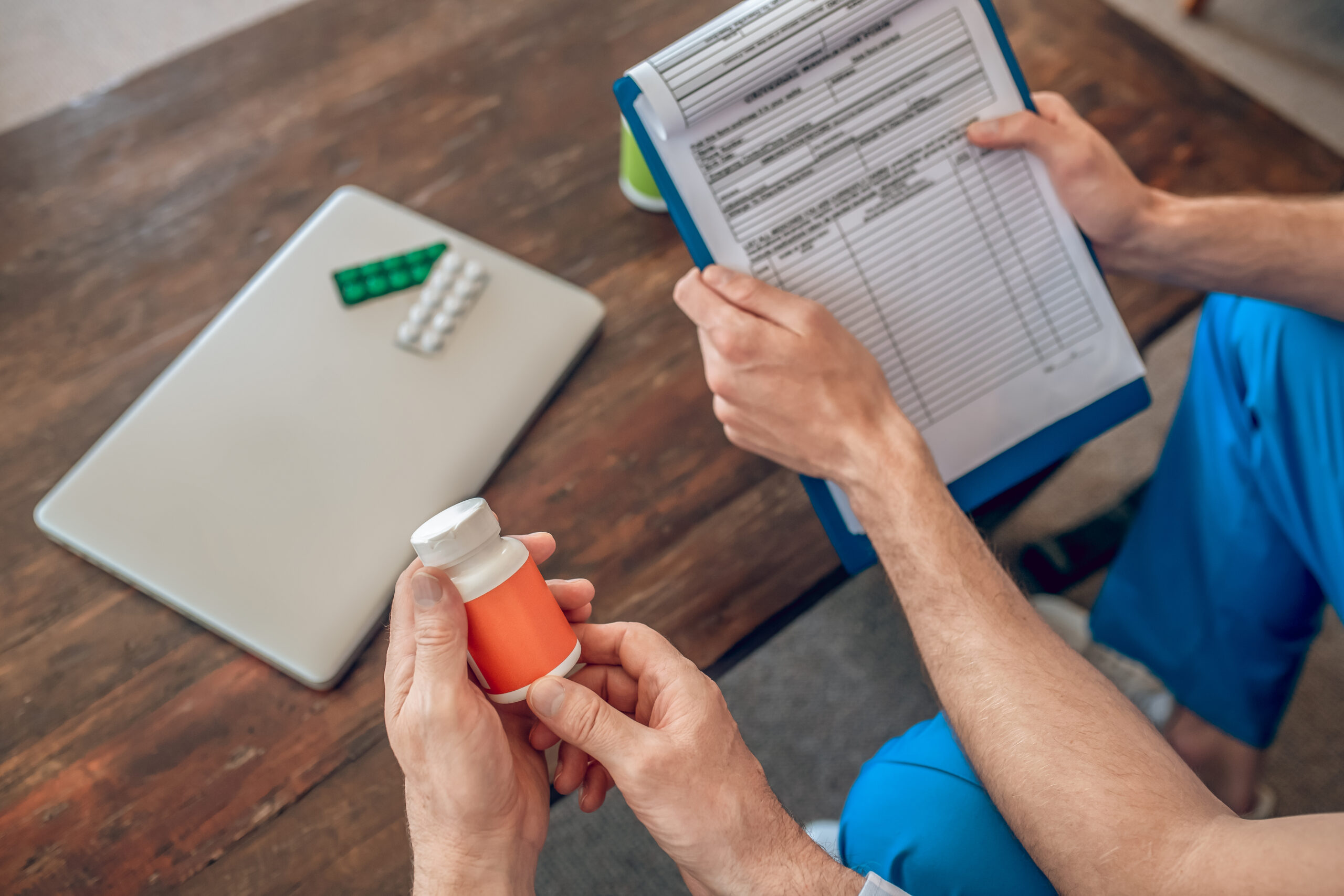
Pain meds like acetaminophen, herbal teas, energy boosters, or over-the-counter cleanses can all impact your liver if taken excessively or unsafely.
Check with your doctor before mixing alcohol with medication
Avoid taking multiple meds that strain the liver (like Tylenol + alcohol)
Do nott self-prescribe detoxes. Ask a qualified health professional.
Read labels, and be cautious with supplements marketed as “fat burners” or “cleanse boosters”

Preventing liver disease is about long-term awareness, not just fear. Know your risk factors, ask questions at your checkups, and take control where you can.
Talk to your doctor about liver tests if you have any risk factors
Ask about your BMI, blood pressure, and insulin levels
Be open about your lifestyle.
THE FACT: Liver disease can affect anyone — even people who don’t drink at all. It can be triggered by stress, poor nutrition, weight changes, genetics, medications, or viruses. Alcohol is only one piece of a much bigger picture.
THE FACT: Many liver diseases are silent. Symptoms like fatigue, bloating, itchiness, or brain fog are often missed or brushed off.
THE FACT: It’s rising fast in people under 40 — especially linked to alcohol use, stress, eating habits, and undiagnosed conditions like fatty liver.
THE FACT: Your liver detoxes itself. Most cleanses do nothing or worse — they can cause harm.
THE FACT: Anyone, regardless of body size, can have liver disease. Many thin people are diagnosed with conditions like MASLD or hepatitis.
THE FACT: You don’t have to drink every day to do serious damage. Binge cycles, emotional dependency, and even moderate use can lead to cirrhosis.
THE FACT: High doses — especially when mixed with alcohol or taken regularly — can lead to acute liver failure.
THE FACT: In many cases, early damage can be slowed, stopped, or even reversed with the right care and lifestyle changes.
THE FACT: Many “natural” products can stress or damage your liver — especially detox teas, weight loss pills, or energy boosters.
THE FACT: It’s common, rising, and underdiagnosed — especially in young adults who don’t think they’re at risk.
This page is educational. It’s not a substitute for medical care. If you’re worried about your liver or have symptoms, talk to your provider. You deserve real answers and support.
We use cookies to improve your experience on our site. By using our site, you consent to cookies.
Manage your cookie preferences below:
Essential cookies enable basic functions and are necessary for the proper function of the website.
You can find more information in our Privacy Policy and Privacy Policy.