MIND YOUR LIVER. IT NEEDS YOU. ™
We’re focused on improving how, when, and why liver conditions get detected.
So young people aren’t left guessing.
Liver disease often develops quietly over time. Paying attention to your liver now can change long-term outcomes.
Liver disease is increasingly being diagnosed in people under 40.
Prevention is no longer something to think about later.
Knowing how to protect your liver puts you in control, even if everything is not perfect. Acting earlier gives you a better chance to prevent liver disease or recognize changes before they become serious.
Without better youth-focused studies, liver disease in this age group will continue to go undetected until late stages.
Most people do not know they have liver disease until it is advanced. Because liver damage is often silent until it becomes serious. Liver disease does not always come with obvious symptoms, and by the time something feels off, damage may already be significant.
That is why early detection matters. It gives people a chance to recognize changes and act before liver dysfunction becomes dangerous, or before it becomes critical.
Liver disease is rising fastest in people under 40, yet many young adults are still not thinking about their liver health. It often develops silently, without obvious signs. By the time symptoms appear, damage may already be significant. Paying attention earlier is what gives you the chance to prevent it, not react to it.
This page is educational. It’s not a substitute for medical care. If you’re worried about your liver or have symptoms, talk to your provider. You deserve real answers and support.
Enzyme changes that suggest inflammation or stress
Shifts in bile production or protein levels
Markers of insulin resistance, gut microbiome shifts, or metabolic flags
Silent scarring (fibrosis) using imaging like transient elastography (FibroScan
Emerging tech that watches how your body processes alcohol, fat, and meds at a microscopic leve
For a long time, testing your liver meant bloodwork, long waits, or even, a biopsy. Researchers are now using smarter, faster, and non-invasive tools to detect liver issues before they become serious.
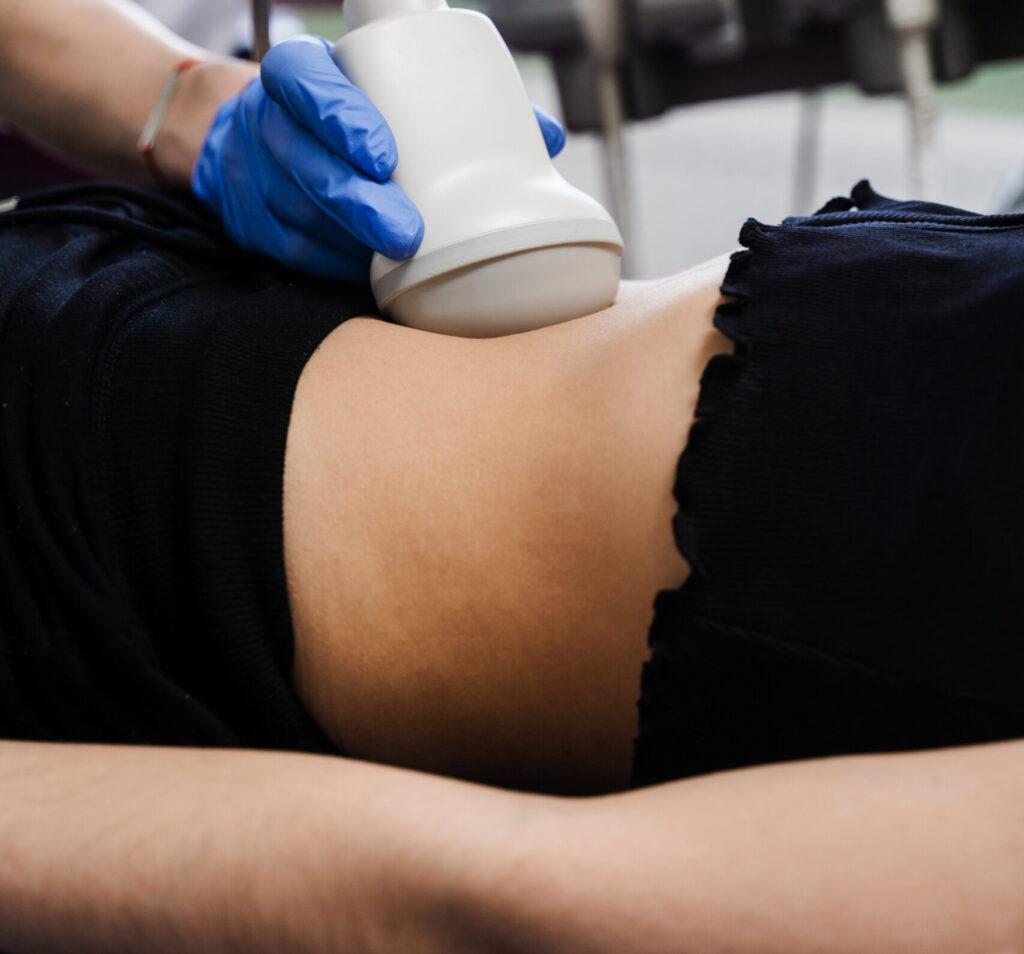
FibroScan® – A quick, painless scan that checks liver stiffness (aka scarring) with sound waves. No needles. No prep.
Ultrasound + AI – Some researchers are combining imaging tech with artificial intelligence to detect fat buildup or inflammation with stunning accuracy.
Breath tests – Researchers are investigating whether chemicals in exhaled breath, known as volatile organic compounds (VOCs), can help detect liver disease earlier. While promising, these tests are still being studied and are not yet part of routine clinical care.
Silent scarring (fibrosis) using imaging like transient elastography (FibroScan
These tools make it possible to catch damage earlier, avoid invasive procedures, and reach more people. Especially young adults who may never think they need testing at all.
What if a single drop of blood could reveal what’s happening in your liver, before symptoms even show up? That’s the future researchers are building right now. Biomarkers are measurable substances in your body (like proteins, enzymes, or genes) that can act as early warning signs for liver disease. Instead of waiting for damage to show up in a scan or blood test, scientists are tracking these subtle shifts in your biology to detect liver dysfunction earlier than ever.
Most liver damage happens silently. By the time symptoms show, the disease is often advanced.
Biomarkers allow doctors and researchers to identify problems before they become visible or irreversible.
They offer personalized insight into how your liver is responding to factors like alcohol, medication, diet, and more.
Liver disease is increasing in younger populations, especially conditions linked to alcohol, metabolic dysfunction, and viral hepatitis. Yet most liver screening guidelines still prioritize older adults.
Routine checkups for young people rarely include liver testing unless risk factors are extreme or symptoms are advanced. Many early signs go unnoticed.
Young adults often present with nonspecific or subtle symptoms. Fatigue, mood changes, or digestive issues may be misattributed to stress or lifestyle, delaying diagnosis.
Studies show that by the time liver dysfunction is caught in young adults, it’s often progressed. Opportunities for early intervention are missed.
Research is now focused on identifying risk earlier and improving frontline detection. This includes developing better tools, improving clinical guidelines, and raising awareness that liver disease can affect anyone, regardless of age.
Young people don’t just miss symptoms, they often even get dismissed. For young adults especially, mental health and stigma play a huge role in whether someone gets diagnosed, when they seek help, and how seriously their symptoms are taken.
Anxiety, depression, eating disorders, and substance use can be linked to coping behaviors that affect liver health, such as overeating or alcohol use. In young people, many of these conditions go undiagnosed until liver damage is already advanced.
Liver disease is still heavily associated with alcohol, judgment, and shame. This stigma keeps people from speaking up or even being taken seriously by providers.
Mental health symptoms — fatigue, mood swings, brain fog — often overlap with liver damage. Many providers don’t connect the dots early enough.
Research shows young adults, especially women and racialized patients, are more likely to be dismissed or misdiagnosed. That delay can cost time, trust, and lives.
Researchers are pushing for earlier, easier, and more routine liver screening. especially for younger people. The goal is to detect liver problems before they become liver disease.
Instead of one-size-fits-all testing, future checkups may factor in lifestyle, mental health, genetics, and early metabolic changes to assess risk with more accuracy
Advances in imaging and biomarkers could eliminate the need for blood tests or invasive procedures, making liver screening faster, safer, and less intimidating.
Imagine getting liver health data right at your pharmacy, doctor’s office, or even through wearable devices. Researchers are working on tech that brings liver screening closer to home.
Future protocols may recommend earlier liver testing in young adults, not just older populations or high-risk groups, closing the diagnostic gap before it starts.
Sources & References
• AASLD Practice Guidance
• EASL Clinical Practice Guidelines
• Peer-reviewed hepatology literature
These pages are educational. It’s not a substitute for medical care. If you’re worried about your liver or have symptoms, talk to your provider. You deserve real answers and support.
We use cookies to improve your experience on our site. By using our site, you consent to cookies.
Manage your cookie preferences below:
Essential cookies enable basic functions and are necessary for the proper function of the website.
You can find more information in our Privacy Policy and Privacy Policy.