MIND YOUR LIVER. IT NEEDS YOU. ™
You might not feel it, but your liver could be waving red flags. Here’s what to watch for.
We’re talking liver health. Stigmas. Silence.
We’re making space for what’s been hard to say.
About our health, our habits, and the weight we carry.
No one’s lifestyle should be shamed. We’re here to learn, heal, and move forward.
More resources are on the way. We’ll keep you posted.
The early signs of liver damage can be vague, subtle, or easy to ignore. Paying attention to these small changes in how you feel could be your first clue that something deeper is going on.
Some symptoms shown here can have many causes, but may be relevant when they appear without clear explanation or alongside other changes.
Abdominal bloating, fullness, or visible swelling
Intermittent nausea or a reduced appetite without a clear cause
Generalized itchiness in the absence of a visible rash, which can be associated with bile flow changes or liver irritation
Increased irritability or changes in mood regulation, which may occur alongside physical illness or systemic inflammation
A sense of feeling “off” or not like yourself, even if the reason is unclear, and especially when paired with other physical symptoms
Mild discomfort, pressure, or pain in the right upper abdomen, where the liver is located
Dark under eye circles or a duller skin appearance, which can sometimes accompany chronic illness, poor sleep, or systemic stress
Unexplained changes in body weight, either gain or loss
Changes in stool or urine color, including lighter stools or darker urine
Night sweats or waking up overheated, particularly when occurring alongside other unexplained symptoms
Skin tone or eye whites appearing slightly yellow or less bright in certain lighting, which should always be medically evaluated
These symptoms are non-specific and can have many causes, but are sometimes reported in people with liver stress or early liver dysfunction.
This page is educational. It’s not a substitute for medical care. If you’re worried about your liver or have symptoms, talk to your provider. You deserve real answers and support.
Some symptoms are your body’s way of throwing up a red flag. It’s letting you know it’s time to take your liver seriously. These signs may feel more intense or unexpected, and they often point to more advanced damage. If you’re noticing any of the following, don’t wait. Your body is asking for help.
Losing weight without trying, or noticing you’re becoming physically weaker, could mean your liver isn’t metabolizing nutrients or proteins effectively. This is especially concerning if paired with fatigue or swelling, even if it feels gradual or is being dismissed as stress, diet changes, or ‘getting lean’.
Fluid buildup (called ascites) (belly) or edema (legs/feet) is a late warning sign that your liver is under serious strain. If you suddenly notice swelling or puffiness that doesn’t go away, it’s time to talk to a doctor. This often surprises people because it can show up suddenly, even in younger adults who otherwise feel healthy.
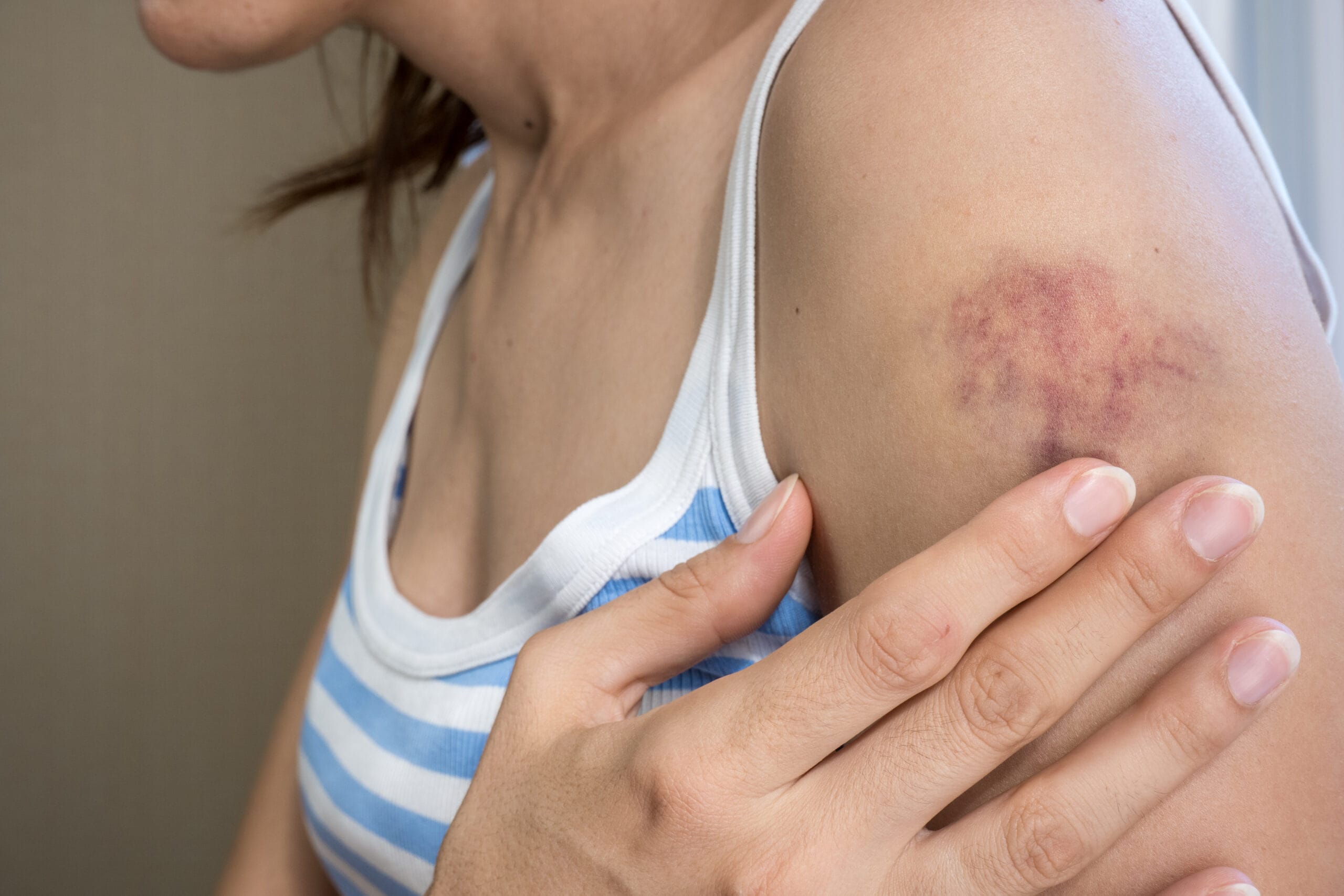
Your liver helps make clotting factors. If you notice that small bumps leave big bruises or you bleed more easily than usual, it could mean your liver isn’t producing the proteins your blood needs to clot properly. If you notice that small bumps leave big bruises, nosebleeds last longer than usual, or cuts take longer to stop bleeding.
Even though it’s not always obvious, confusion, memory trouble, or difficulty concentrating (sometimes called “brain fog”) can be an early sign of liver dysfunction, especially when toxins begin to build up in the bloodstream. This is often brushed off as burnout, anxiety, or lack of sleep, which is why it can be missed.
This page is educational. It’s not a substitute for medical care. If you’re worried about your liver or have symptoms, talk to your provider. You deserve real answers and support.
You don’t need to guess when it comes to your liver. Doctors have several tools to figure out what’s happening inside, from blood work to scans and, in some cases, biopsies. These tests help determine if your liver is inflamed, damaged, or under pressure, and what the best next steps are.
Doctors will usually start with blood tests to look at your liver enzymes, bilirubin, and protein levels. These tests can show whether your liver is inflamed, blocked, or not doing its job.
Non-invasive imaging can show fat buildup, scarring, or irregularities in the liver’s size and texture. A FibroScan is especially helpful for checking stiffness (an early sign of fibrosis or cirrhosis)
When results aren’t clear or more detail is needed, a liver biopsy may be done. This involves taking a small piece of liver tissue for lab analysis to confirm the cause and stage of damage.
Depending on your symptoms and history, your doctor may also run viral panels (like hepatitis), iron levels, or autoimmune markers to narrow down the root cause of liver issues.
This page is educational. It’s not a substitute for medical care. If you’re worried about your liver or have symptoms, talk to your provider. You deserve real answers and support.
If you or your doctor suspect something’s going on with your liver, a few key tests can give a clearer picture. Most of these are simple and non-invasive.
Also called LFTs (liver function tests), this group of blood tests includes ALT, AST, ALP, and bilirubin. Elevated levels may indicate inflammation, blockage, or damage.
A painless scan using sound waves (ultrasound) or vibration (FibroScan) can show if your liver is enlarged, stiff, fatty, or showing signs of fibrosis.
A CBC can check for signs of anemia or infection, which may indicate broader issues affecting the liver’s ability to function properly.
Blood tests for hepatitis A, B, and C are essential to rule out or confirm viral causes of liver disease. Even if you feel fine, these viruses can silently damage your liver over time.
This page is educational. It’s not a substitute for medical care. If you’re worried about your liver or have symptoms, talk to your provider. You deserve real answers and support.
If something feels off, don’t wait until it becomes urgent. Your liver is too important to ignore. Whether you’ve noticed changes or just want a check-in, here’s how to bring it up clearly, confidently, and without shame, at your next doctor’s visit.
Your doctor needs a clear picture to help you. That includes your relationship with alcohol, stress, supplements, past diagnoses, and how your body’s been feeling. Don’t downplay symptoms, your honesty helps guide better care.
If you’ve been feeling off, such as unexplained fatigue, bloating, or brain fog, request a liver panel and ultrasound. You don’t need to wait for symptoms to worsen before asking for testing.
Mention if liver disease runs in your family, if you’ve ever had hepatitis, or if your lifestyle involves risk factors like poor sleep, fast food, emotional eating, or inconsistent alcohol use. These are relevant even if you “feel fine.”
This page is educational. It’s not a substitute for medical care. If you’re worried about your liver or have symptoms, talk to your provider. You deserve real answers and support.
Liver disease doesn’t always start with loud, obvious signs. Often, the warning lights show up when things are already serious. If you’ve been feeling off, listen to your body and take the next step.
The liver can function silently even when it’s under serious stress. Many people don’t feel anything until damage is advanced. That’s why prevention, screening, and paying attention to small signs is so important.
If something feels off with your energy levels, digestion, mood swings, swelling. Know that early action can make a big difference in preventing long-term damage.
You don’t need to be hospitalized or jaundiced to deserve care. Early-stage liver stress is still reversible. The earlier it’s caught, the more options you have to take control and heal.
This page is educational. It’s not a substitute for medical care. If you’re worried about your liver or have symptoms, talk to your provider. You deserve real answers and support.
We use cookies to improve your experience on our site. By using our site, you consent to cookies.
Manage your cookie preferences below:
Essential cookies enable basic functions and are necessary for the proper function of the website.
You can find more information in our Privacy Policy and Privacy Policy.